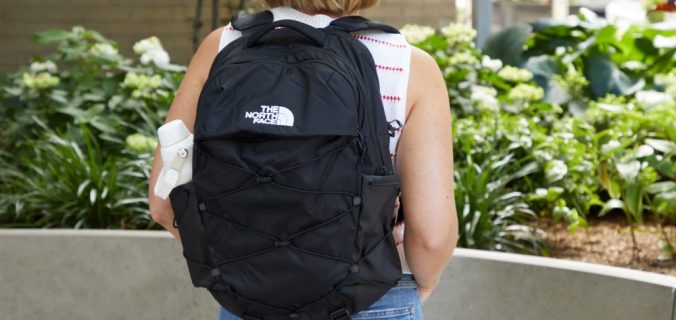
Introduction: What Bags Are Good for University?
Choosing the right bag is one of the most practical decisions a university student can make. With back-to-back classes, long walks across campus, and the need to carry books, laptops, water bottles, and personal items, your bag becomes an essential daily tool. So, what bags are good for university? The best options balance comfort, durability, organization, and style. Students need something that supports their academic life while reflecting their personality. Whether you’re rushing to lectures, studying in the library, or commuting from home, your bag must keep up with your pace.
Moreover, not every bag works for every student. Your major, class schedule, and campus layout all influence what will serve you best. Some students walk miles each day, while others stay in one building. Some carry heavy lab equipment, while others only bring a tablet and notebook. Therefore, understanding the features that matter—like weight distribution, laptop protection, and weather resistance—helps narrow down choices. Let’s explore the top types of bags and how they meet real student needs.
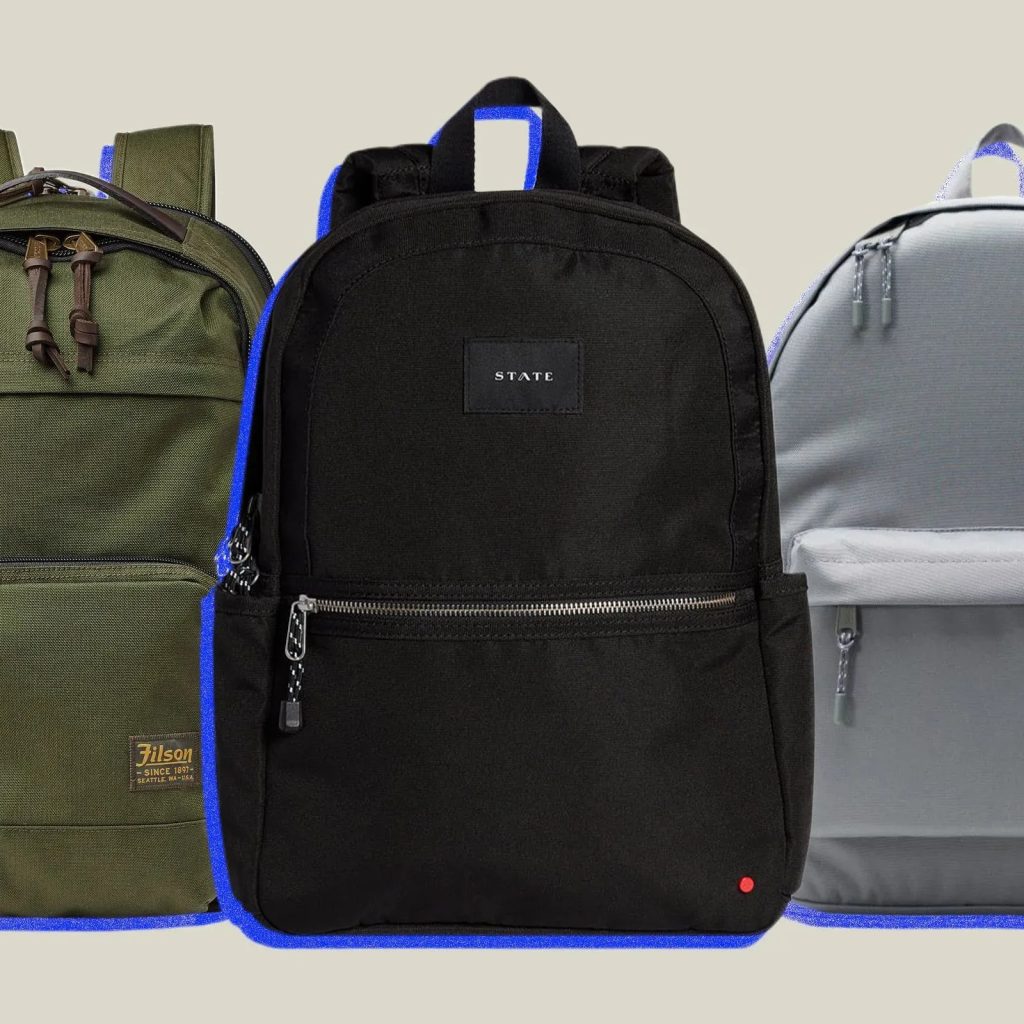 Backpacks: The Most Reliable Choice for Campus Life
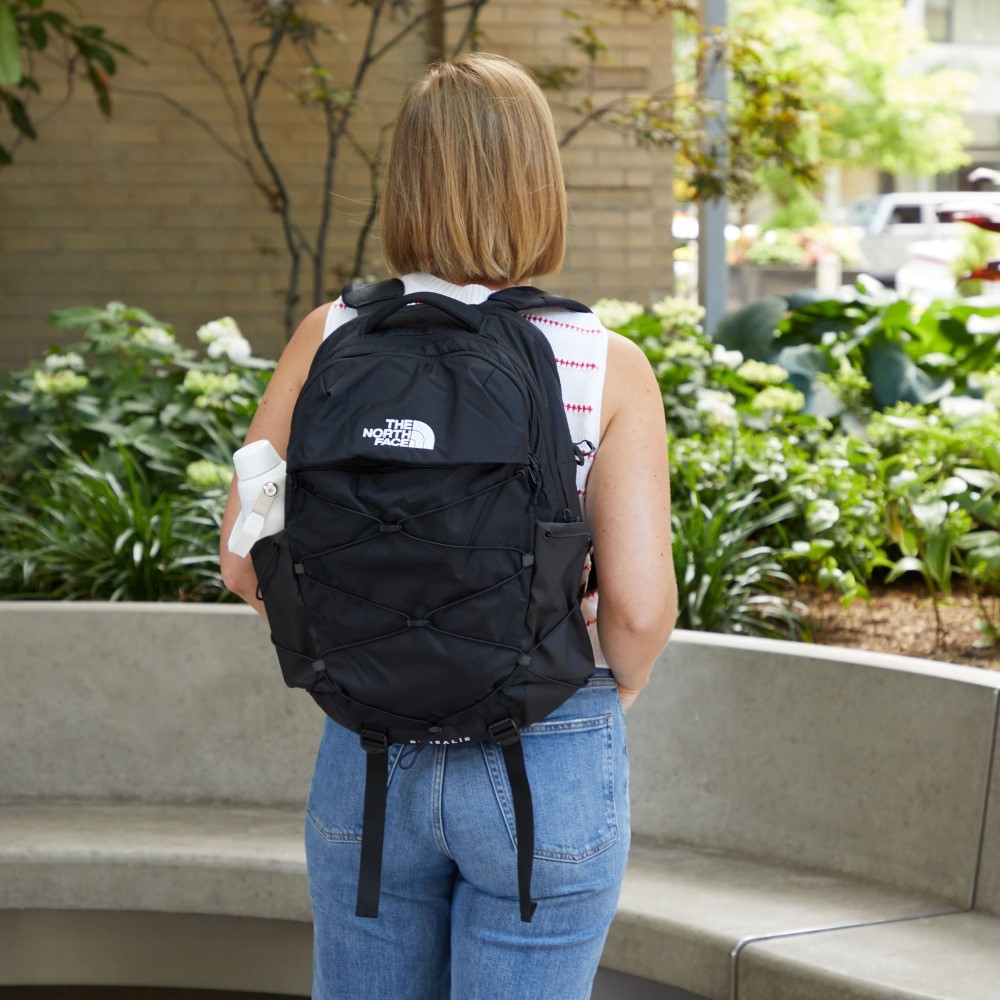
What bags are good for university? Backpacks remain the top pick for most university students. They distribute weight evenly across both shoulders. This reduces strain on the back and neck. For those carrying heavy textbooks, binders, or laptops, this support is crucial. Without it, posture suffers and discomfort builds over time.
Modern student backpacks include padded shoulder straps and breathable mesh panels. These details prevent sweating and chafing. Chest or waist straps add stability during fast movement. They keep the bag secure when running between buildings.
Laptop compartments are standard in quality models. Look for a dedicated sleeve with soft padding. It should fit at least a 15-inch device. Some designs offer extra space for tablets, chargers, or headphones.
Multiple pockets improve organization. Front zippered sections store keys, pens, and wallets. Side mesh holders carry water bottles or umbrellas. Internal dividers keep notebooks from shifting.
Durable materials like polyester or ballistic nylon resist wear. Water-resistant coatings protect against rain. Reinforced stitching prevents rips at stress points.
Science and engineering majors often carry more gear. Larger packs with expandable sections suit them well. Others prefer slim profiles that slide easily under desks.
With so many styles available, there’s a backpack for every schedule and taste.
Key Features That Make a Backpack Ideal for Students
What bags are good for university? Not all backpacks perform equally. The best ones for university include smart design elements. First, comfort comes first. Padded straps reduce pressure. Ventilated backs allow airflow. These help during long days on campus.
Second, organization boosts efficiency. Separate areas for electronics, supplies, and snacks save time. Labeling helps locate items fast.
Third, durability ensures longevity. Heavy-duty zippers avoid breaking. Scratch-resistant fabric keeps the bag looking new. Reinforced corners handle drops and bumps.
Fourth, security gives peace of mind. Lockable zippers deter theft. Hidden pockets protect phones and IDs. RFID-blocking sleeves guard credit cards.
Fifth, laptop safety is non-negotiable. Drop-proof padding prevents damage. Some models even include anti-theft alarms or GPS tracking.
Sixth, size should match your load. Too small causes overflow. Too large looks bulky. Mid-sized (20–28 liters) fits most routines.
Seventh, style influences confidence. Bright colors express energy. Neutral tones project professionalism. Custom patches add flair.
Finally, ease of cleaning matters. Spills happen. Machine-washable linings simplify maintenance. Wipe-clean surfaces remove stains quickly.
These traits define what makes a backpack ideal for university.
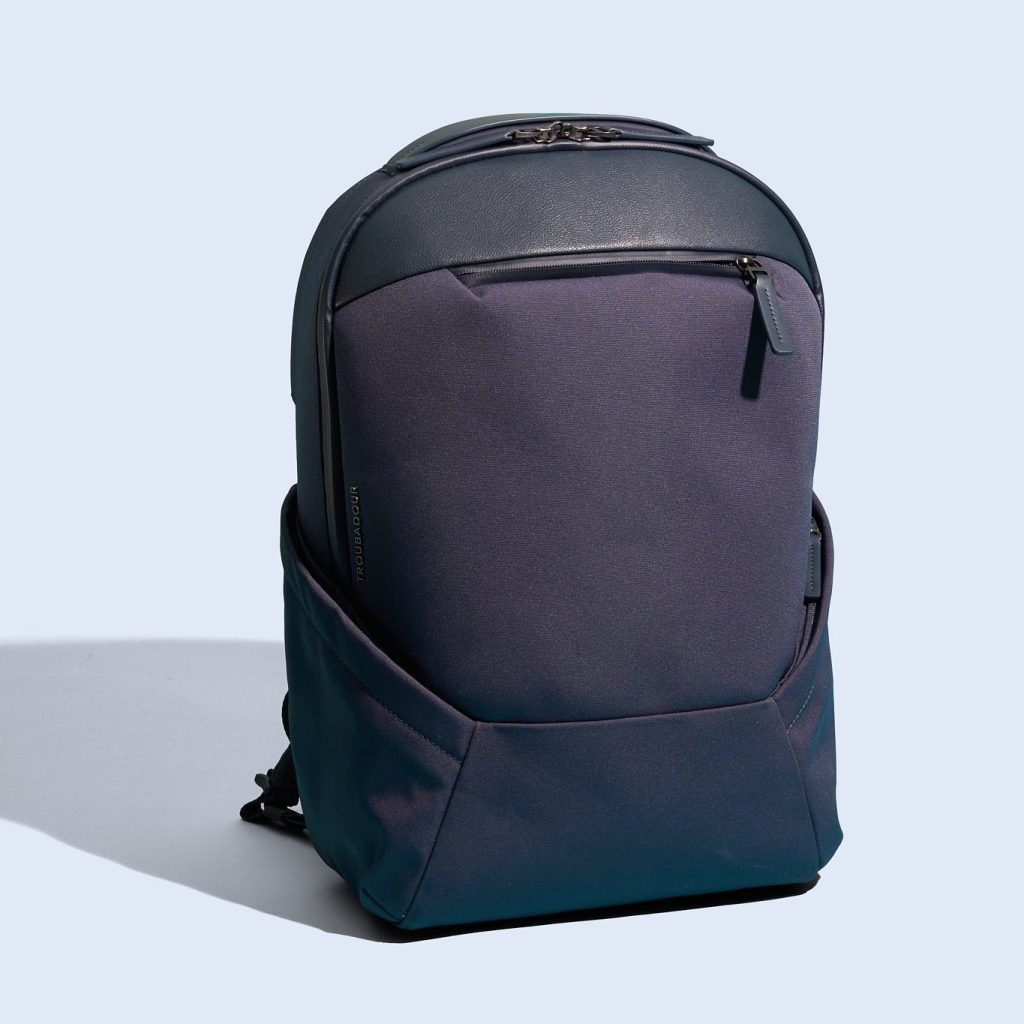 Tote Bags: Stylish and Simple for Light Loads
Tote bags appeal to students who value fashion and minimalism. They work well for lighter schedules or short commutes. Carrying a notebook, tablet, and phone fits perfectly inside. Their open-top design allows quick access. No zipping or unzipping slows you down.
Canvas totes are lightweight and foldable. You can stash them in a drawer when not needed. Leather versions offer elegance and long-term durability. Both look great paired with casual or semi-formal outfits.
Many feature interior pockets. These keep essentials like wallets and headphones within reach. Some include removable inserts. These act as mini organizers or laptop sleeves.
However, totes lack even weight distribution. All pressure falls on one shoulder. Long-term use may cause muscle fatigue. For this reason, they suit students with fewer books or hybrid learning schedules.
They shine in creative fields. Art, literature, and communications majors often choose stylish totes. Bold prints, embroidered quotes, or hand-painted designs stand out.
Rainy weather poses a challenge. Most totes don’t have waterproof linings. Adding a reusable shopping bag inside protects contents.
Despite limitations, their versatility keeps them relevant. Use them as secondary bags or weekend companions. When styled right, they elevate any outfit.
When a Tote Is the Right Option
Tote bags serve best in low-load situations. If your class only requires a tablet and a journal, a tote handles it easily. It avoids the bulk of a full backpack.
For off-campus meetings or coffee shop study sessions, a tote feels more natural. It blends into café culture. You look prepared without appearing overloaded.
Fashion-focused students enjoy rotating totes. Match colors to seasonal outfits. Pair a cream tote with a fall sweater. Switch to a bright yellow one in spring.
Art students use them for sketchbooks and portfolios. Wide openings accommodate large sheets. Sturdy bottoms prevent bending.
Totes also double as gift bags. Fill them with care packages for roommates. Add snacks, stationery, and handwritten notes. Their reuse adds sentimental value.
Parents often give them as welcome gifts. Universities hand them out during orientation. Their wide branding space promotes school pride.
Use them when carrying gym clothes, swim gear, or library returns. They transport items efficiently without needing structure.
Still, avoid overloading. Stick to under ten pounds. Beyond that, switch to a backpack. Your body will thank you later.
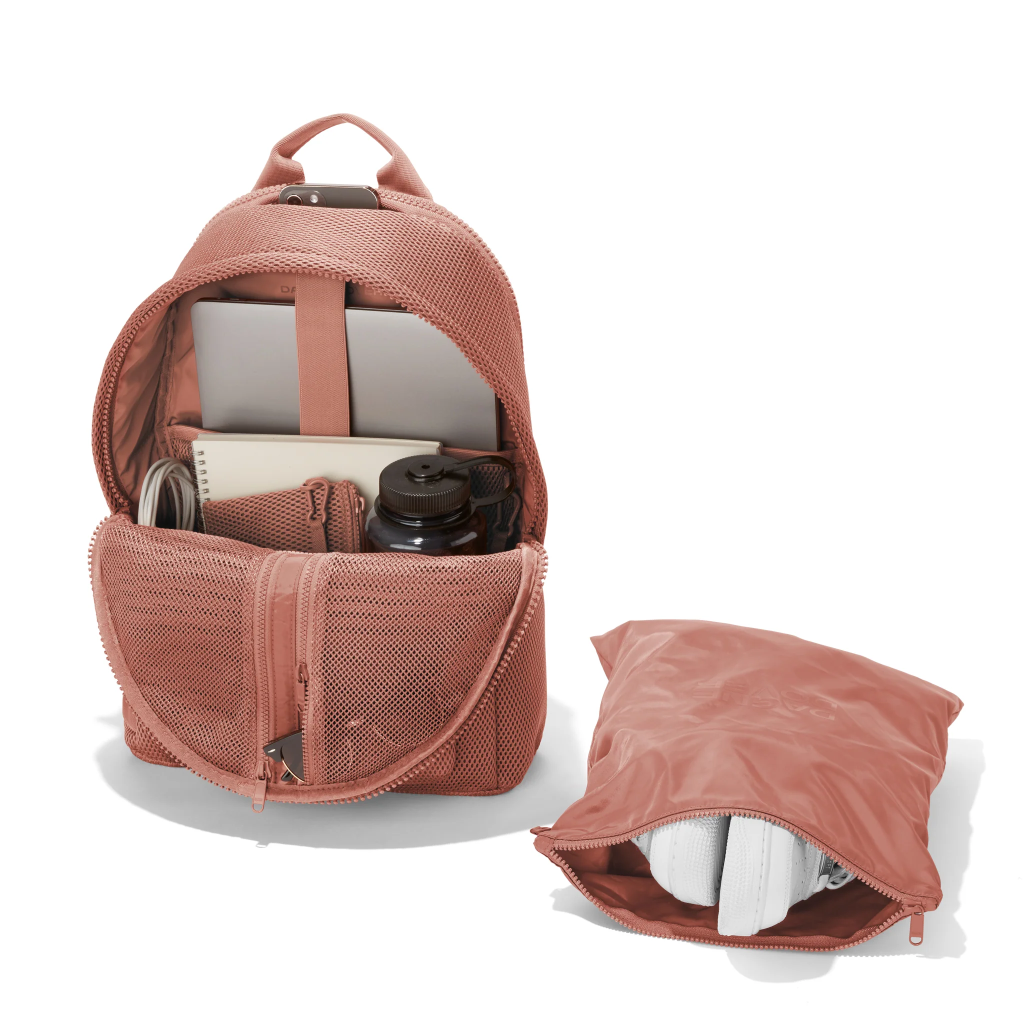 Crossbody Bags: Compact and Convenient for Quick Trips
Crossbody bags offer a middle ground between totes and backpacks. They keep essentials close while freeing both hands. Ideal for quick trips to class, the library, or lunch runs.
Most models include a single main compartment. Additional zippered pockets hold phones, keys, and cards. Adjustable straps ensure a snug fit across different body types.
Their compact size discourages clutter. You only carry what’s necessary. This promotes focus and reduces physical strain.
Anti-theft features appear in modern designs. Slash-resistant straps and lockable zippers improve safety. Hidden pockets deter pickpockets in crowded areas.
Many students pair them with larger bags. Use the crossbody for ID, wallet, and earbuds. Leave textbooks in a locker or dorm.
Women appreciate how they complement dresses and skirts. Men find them useful for minimalist urban styles. Unisex designs grow in popularity.
Materials vary. Nylon resists weather. Vegan leather maintains ethics and aesthetics. Recycled fabrics attract eco-conscious buyers.
Wear them across the chest for maximum security. In busy hallways, this prevents accidental bumps.
They work especially well during exam season. Carry only test supplies. Leave distractions behind.
Though limited in capacity, their convenience makes them a smart addition.
Why Comfort Matters in Daily Use
Even small bags must feel comfortable. A poorly designed strap digs into the shoulder. An unbalanced load pulls to one side. Discomfort distracts from learning.
Look for wide, padded crossbody straps. These spread pressure evenly. Avoid thin cords or stiff edges. They cause chafing over time.
Adjustability ensures proper fit. Straps should extend enough for tall users. Shorter individuals shouldn’t drag the bag on the ground.
Lightweight materials reduce overall burden. Even empty, a heavy bag adds unnecessary strain. Aim for under two pounds.
Test the bag before buying. Load it with typical items. Walk around the store. Bend down and simulate climbing stairs.
Breathable fabrics prevent sweating. Mesh-lined straps help in humid climates. Smooth interiors avoid snagging clothing.
Ergonomic shapes follow body contours. Curved bases rest naturally on hips. Flat backs sit flush under arms.
A comfortable bag encourages consistent use. You won’t leave it behind due to pain. It becomes an effortless part of your routine.
Laptop Protection: A Must-Have Feature
Every university student relies on a laptop. Therefore, protecting it is critical. A good bag includes a dedicated, cushioned compartment. This section should be padded on all sides. Foam lining absorbs shock from drops.
The sleeve must fit your device exactly. A loose fit allows movement. This increases impact risk. Measure your laptop before choosing.
Water resistance adds another layer of defense. Accidental spills, rain, or snow won’t ruin electronics. Look for sealed zippers and coated linings.
Some bags offer lockable closures. These prevent tampering in public spaces. Others include RFID-blocking pockets. These stop digital theft.
Avoid placing heavy books directly on top. Use internal dividers to create space above the laptop.
Removable sleeves provide flexibility. Take just the laptop to labs or presentations. Leave the rest in your dorm.
Brands like Herschel, Targus, and Lenovo specialize in tech-safe designs. Their testing ensures real-world reliability.
Never assume all bags protect equally. Check reviews for drop-test results. Ask peers about durability after months of use.
Your laptop is an investment. Treat its carrier with equal importance.
 Frequently Asked Questions About What Bags Are Good for University?
Many students face similar concerns. Below are answers to common questions.
Can I use a backpack and a tote together?
Yes. Use the backpack for books and the tote for accessories. Layering bags increases flexibility.
How do I clean my bag?
Check the label. Most can be wiped with damp cloths. Fabric ones may require spot cleaning.
Are leather bags worth it?
For some, yes. They last longer and age beautifully. However, they’re heavier and cost more.
Should I buy one big bag or several small ones?
Start with one reliable bag. Add smaller ones as needs grow. Overbuying leads to clutter.
Do I need a rain cover?
In wet climates, yes. Some backpacks include built-in covers. Others need add-ons.
Can I personalize my bag?
Absolutely. Use pins, patches, or paint. Just avoid damaging fabric or zippers.
Is a rolling suitcase-style bag okay?
Only if you have mobility issues. Most campuses involve stairs and uneven paths. Wheels struggle.
What color hides stains best?
Dark gray, navy, or brown. Avoid white or light beige unless you clean frequently.
 Final Thoughts: Choosing the Best Bag for Your Needs
Deciding what bags are good for university? depends on your lifestyle, course load, and preferences. There is no universal answer. Instead, consider your daily routine and physical demands. A well-chosen bag simplifies life and reduces stress. It carries more than books—it holds your confidence and readiness.
From spacious backpacks to sleek crossbodies, each type serves a purpose. Prioritize comfort, durability, and organization. Don’t overlook personal style. You’ll wear this bag every day. It should make you feel capable and put-together.
In conclusion, understanding what bags are good for university? empowers smarter choices. Pick one that grows with you. Replace it only when truly needed. A great bag lasts through graduation—and beyond.